
Flywheel Dynamic Balancing: Why It Matters for Engine Life
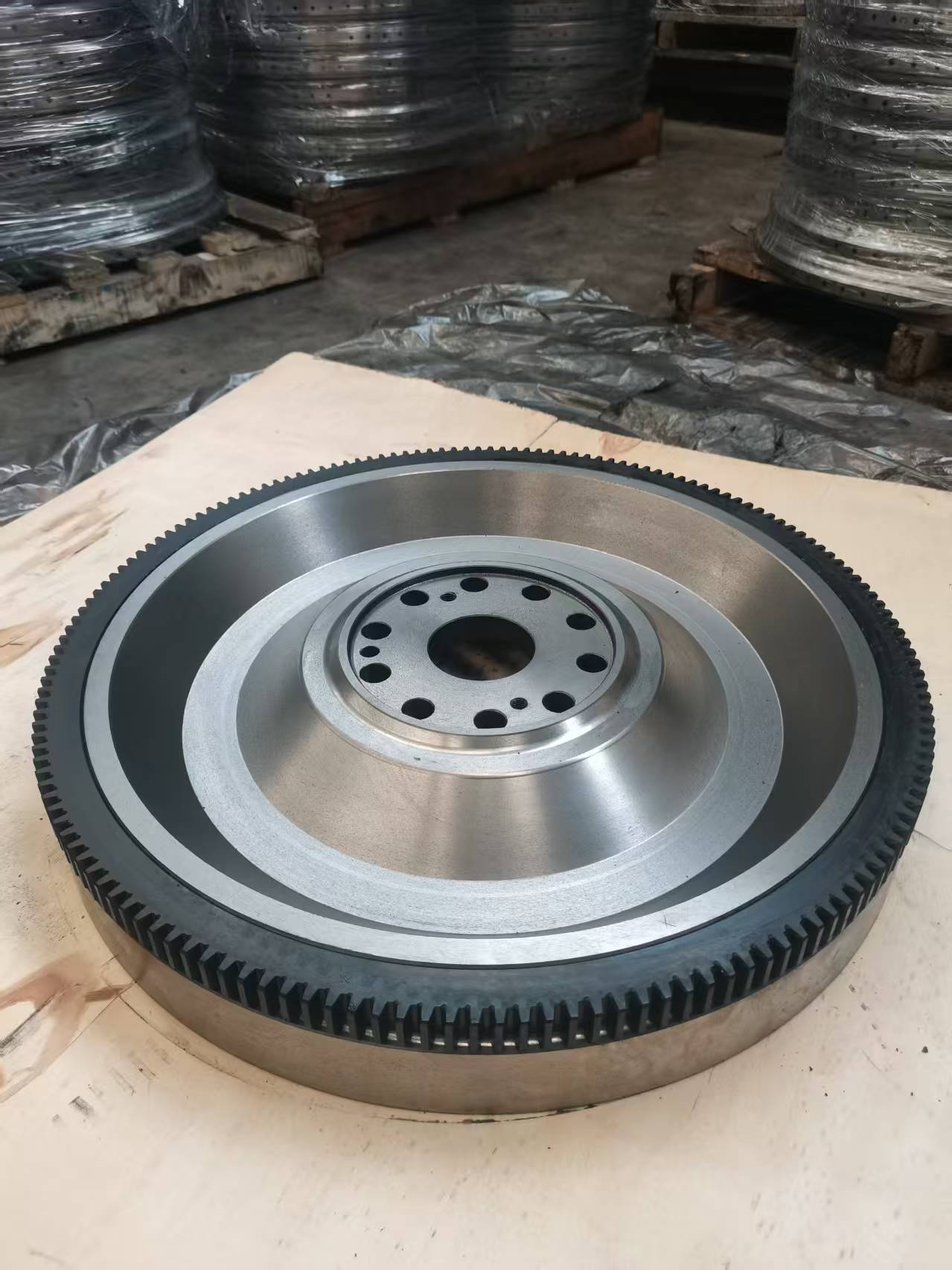
Flywheel Dynamic Balancing: Why It Matters for Engine Life
A flywheel spins at the same speed as the crankshaft — often thousands of revolutions per minute. At that speed, even a small amount of mass off-center turns into a shaking force that travels through the whole powertrain. Dynamic balancing is the step that removes that force before the part ever reaches the engine. We are an IATF 16949 certified iron foundry, and every finished flywheel we ship is balanced to a specified grade. This article explains what balancing does, what happens when it is skipped, and what to ask a supplier for.
Table of Contents
- What Dynamic Balancing Means
- Why Unbalance Is a Problem
- How Unbalance Is Measured
- How We Balance Flywheels
- Typical Balance Grades for Flywheels
- Signs of a Badly Balanced Flywheel
- How Casting Quality Affects Balance
- Buyer Checklist
- FAQ
- Talk to Our Engineering Team
What Dynamic Balancing Means
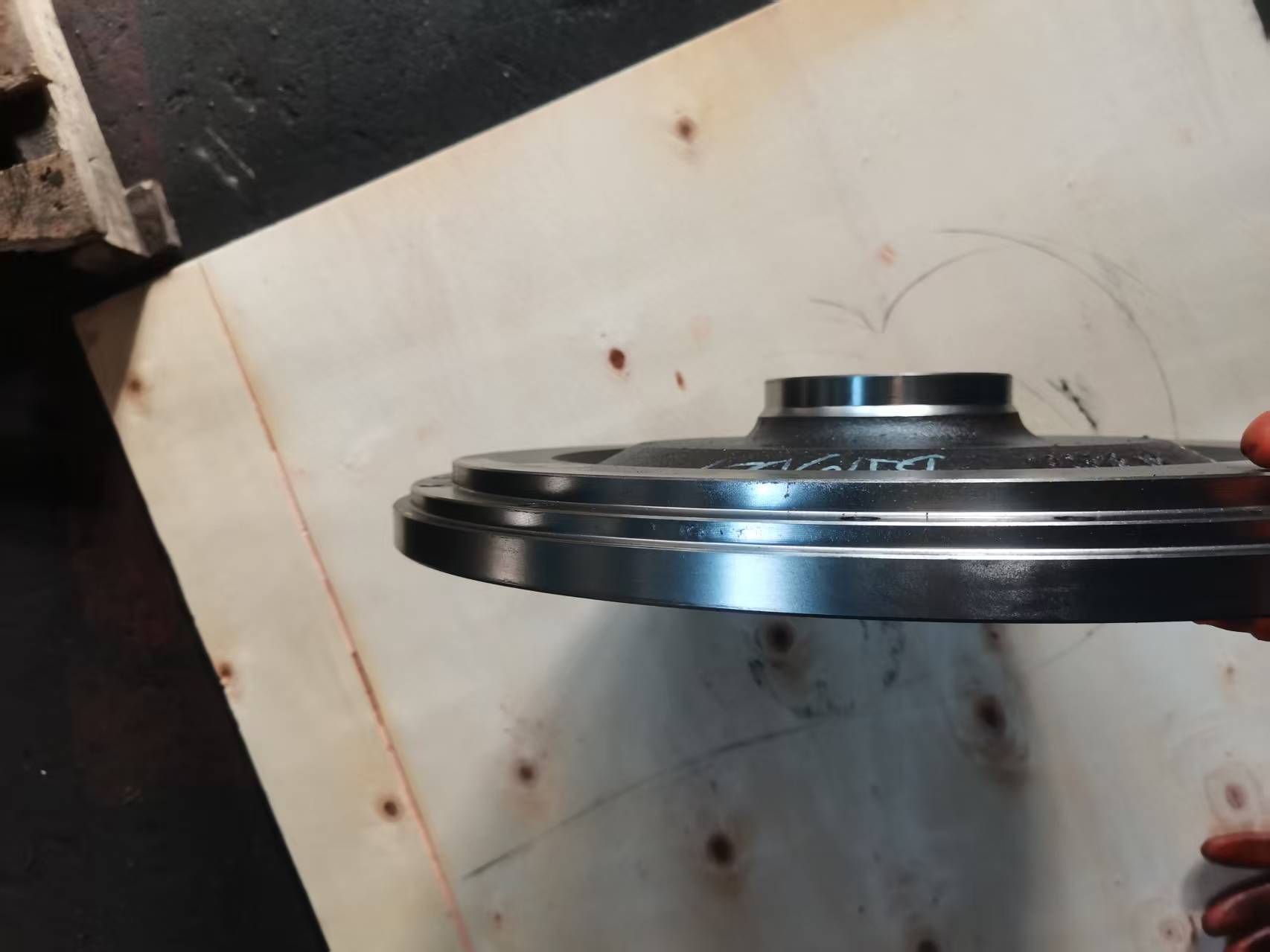
Static balance is about weight left versus right — a part that sits level on a knife edge is statically balanced. Dynamic (or two-plane) balance goes further: it also checks the part at speed, catching forces that appear only when the flywheel rotates, caused by mass distributed unevenly across two planes. A flywheel is a wide part with features on both faces, so it must be balanced dynamically, not just statically.
Why Unbalance Is a Problem
An unbalanced flywheel creates a centrifugal force proportional to mass error times speed squared. Because speed is squared, doubling RPM multiplies the shaking force four times. The consequences show up across the engine:
- Vibration in the bellhousing, transmission, and cab that drivers feel and hear.
- Premature wear of crankshaft bearings and the pilot bearing, because they absorb the oscillating load.
- Clutch chatter and uneven friction-face wear from the wobble.
- Fatigue cracks starting at bolt holes or the ring gear seat over time.
- In extreme cases, loosened fasteners and damaged seals.
None of these are visible at the foundry, but all of them trace back to a balancing step that was done poorly or skipped.
How Unbalance Is Measured
Balance is expressed by a grade, written as “G” followed by a number — for example G6.3 or G16. The grade defines the allowed residual unbalance per unit of rotor mass at the service speed. In plain terms, it sets how much shake is acceptable. Lower G numbers mean tighter tolerance and a smoother part.
| Balance grade | Typical meaning | Common use |
|---|---|---|
| G2.5 | Very high precision | Precision spindles, turbines |
| G6.3 | High precision | Passenger-car and light commercial flywheels |
| G16 | Moderate | Industrial, agricultural, slower diesel flywheels |
| G40 | Coarse | Very slow, low-risk rotating parts |
How We Balance Flywheels
The process is straightforward but disciplined. The flywheel is mounted on a balancing machine that spins it and reads the amount and angle of unbalance on each plane. The operator then removes a calculated amount of mass (by drilling or milling a correction boss) or adds weight, and re-checks until the part is within the specified grade. The light spot is marked so assembly knows the orientation.
For a foundry, balancing is the last quality gate before shipping. We balance to the grade written on the drawing, and for critical orders we keep a record of the measured result so the customer can see it met spec.
Typical Balance Grades for Flywheels
Most commercial and industrial flywheels are specified at G6.3 to G16. A passenger-car flywheel usually wants G6.3; a large agricultural or generator-set flywheel running at lower speed may be specified at G16. The right grade follows the engine’s top speed and how much vibration the application can tolerate. When a buyer does not name a grade, we balance to a sensible default for the part’s size and typical use — but naming it removes ambiguity.
Signs of a Badly Balanced Flywheel
- A noticeable vibration that rises with engine speed.
- Clutch pedal or gear lever buzz at certain RPM.
- Early pilot-bearing or crankshaft-bearing failure.
- Uneven wear rings on the clutch friction face.
- Complaints that “this engine never felt smooth.”
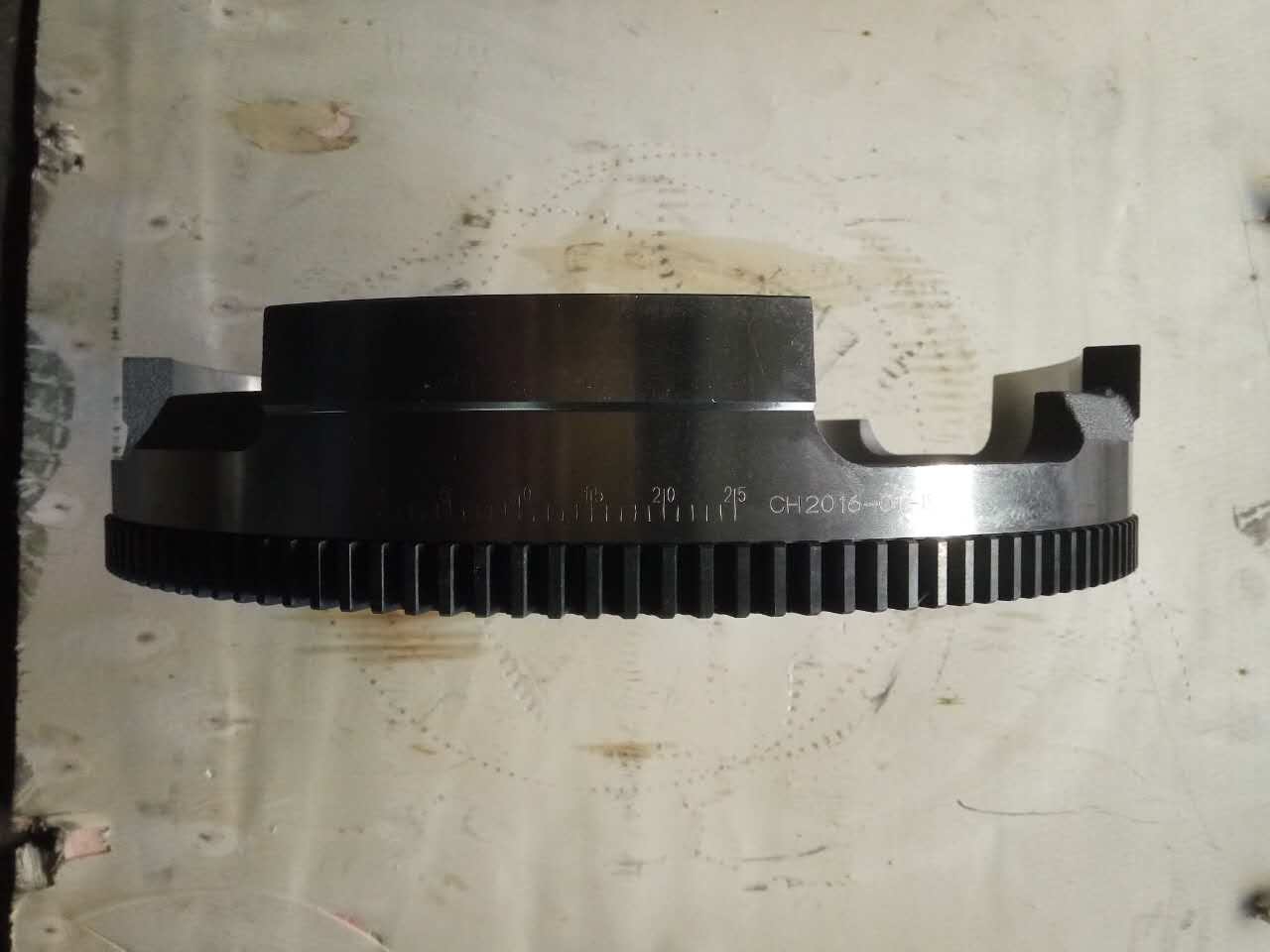
If a returned engine shows these symptoms and the mounts and driveline check out, the flywheel balance is worth measuring.
How Casting Quality Affects Balance
Balancing fixes mass error, but good casting reduces how much correction is needed. Two casting factors matter:
- Wall-thickness consistency — a thin spot on one side is hidden mass error that balancing must chase.
- Porosity and inclusions — a void is missing mass; if it sits off-center, the part balances only after extra correction.
Controlled melting, good gating, and inspection at the foundry mean the raw casting is already close to balanced, so the final balancing step is small and stable. That stability matters because a part that needed heavy correction is more likely to drift if it is ever re-machined.
Buyer Checklist
- State the required balance grade (G6.3, G16, or other) on the drawing or PO.
- Confirm whether single-plane or two-plane (dynamic) balancing is required — for flywheels it is dynamic.
- Ask for a balance report on first articles and critical batches.
- Confirm the service speed the grade is calculated against.
- For replacement flywheels, match the original balance grade, not just the dimensions.
- Specify marking of the light spot if your assembly process needs it.
FAQ
Can a flywheel be balanced after machining?
Yes. Balancing is normally the final step after all machining is done, because machining changes mass. A flywheel balanced before machining would be wrong afterward.
Is static balancing enough for a flywheel?
No. A flywheel is a wide part with features on both faces, so it needs dynamic (two-plane) balancing to catch forces that only appear at speed.
What grade should a truck flywheel be?
Most light and medium commercial flywheels are specified around G6.3. Larger, slower industrial or agricultural flywheels are often G16. The engine’s redline and the application decide it.
Does balancing change the flywheel’s weight?
Only by a tiny amount — correction removes or adds grams at specific points. The structural weight is essentially unchanged.
Can you balance to a customer’s specified grade?
Yes. We balance to the grade on the drawing or PO, from G2.5 up to G40, and can supply a measured balance report for first articles and critical orders.
My engine vibrates — is it the flywheel?
It could be. If mounts, driveline, and the ring gear check out, have the flywheel’s balance measured against its specified grade. An out-of-spec flywheel is a common hidden cause of speed-related vibration.
Is balancing included in the flywheel price?
For us, dynamic balancing is a standard part of finishing a flywheel, included in the quoted price rather than charged separately. MOQ is typically 20 pieces.
Talk to Our Engineering Team
Need a Balanced Flywheel Quote?
Send us your drawing or sample with the required balance grade and service speed. We will quote a finished, dynamically balanced flywheel with a balance report available on request. IATF 16949 certified iron foundry, FOB Qingdao.
- Email: [email protected]
- Phone / WeChat / WhatsApp: +86 19953662121
- Factory: Changyi Wangke Industrial Zone, Weifang, Shandong, China
- Request a quote online
Related reading: Flywheel product page · Ring Gear product page